
Placement and Maintenance Make a Difference
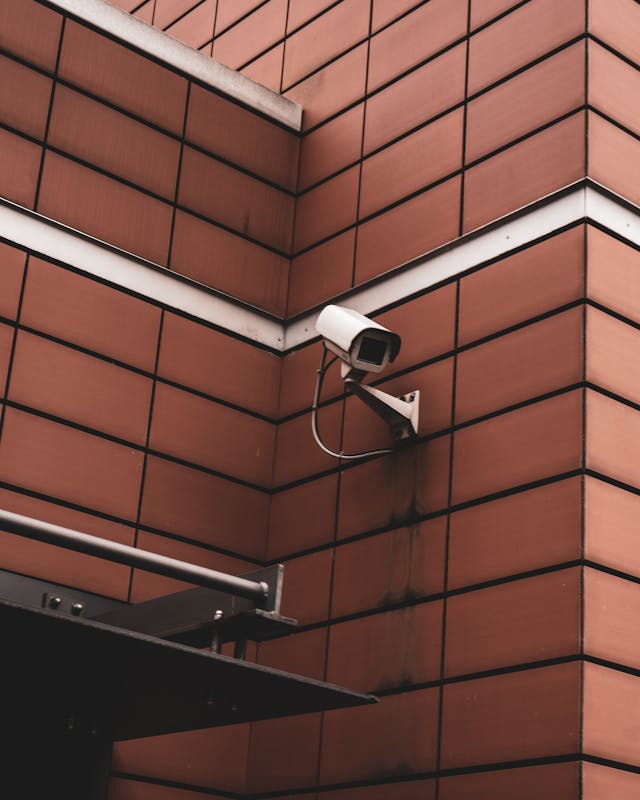
Security cameras have been a mainstay in K-12 schools for decades. But how well do they really work at keeping kids, staff, and school property safe, especially in the age of AI?
The effectiveness of security camera systems are often compromised by lack of investment. Cameras can fall into disrepair without dedicated funding for maintenance, and school staff don’t usually receive meaningful training on how to use the systems.
And if not deployed smartly, cameras can undermine school climate as well as student and staff relationships, which are far more important to school safety.
School and district leaders must be particularly thoughtful about the purpose and goals of their surveillance systems and how they might affect school climate as the capabilities of cameras change with artificial intelligence.
A major concern with any technology powered by or enhanced by AI is that bias in the AI training data will lead to bias in how the technology operates. For example, AI facial recognition programs are less accurate in identifying people of color and women than white men.
Where do schools place security cameras, and who are they watching?
The most popular areas to place security cameras are outside the school building and in hallways and entry areas. Other high-traffic areas like gymnasiums, auditoriums, and cafeterias are also popular locations for security cameras.
In terms of the most optimal camera placement, there are no fixed rules. Every school has a unique design and needs. The best strategy is to lean heavily on the insights and expertise of the school’s staff in determining where cameras should go.
But just as important as effective placement is making sure there are resources dedicated to training and ongoing maintenance. School staff often don’t receive the training they need on how to use the camera systems.
There are several steps schools can take to make sure they’re reaping the potential benefits of their cameras, while avoiding some of the drawbacks.
- Districts should perform regular audits of security cameras in schools to make sure they are functioning properly.
- Districts should dedicate funding in their budgets to perform upkeep on their camera systems, even if the original system was paid for by a one-time grant or funding stream.
- Principals, school resource officers, and other school staff need dedicated training time with a vendor to learn about how to use the system.
- Lastly, schools should communicate clear rules and expectations to students and parents about how and why video cameras are used in the school. This can also help set reasonable expectations for parents about what kind of information schools can provide following an incident.
Source: Education Week Magazine